How to make your photos look like an old digital camera
The early-digicam look is five small imperfections stacked together. Add them in the right order and a modern photo stops looking modern.
By Skyz, maker of DigicamFilter · Published May 29, 2026
An old digital camera photo does not look bad by accident. It looks the way it does because of specific limits in those cameras, and you can reproduce every one of them on a modern photo. Once you know the five ingredients and the order to add them in, a clean phone shot starts looking like it came off a 2004 point-and-shoot in about a minute.
The five ingredients
- •Color that is slightly off: usually warmer, since old auto white balance rarely got it exactly right.
- •Lower dynamic range: highlights blow out and shadows block up sooner, which reads as contrast and mood.
- •Grain: a fine, even texture, instead of the smoothed, waxy look modern phones produce.
- •Flash glow: a hard, close on-camera flash for indoor and night shots.
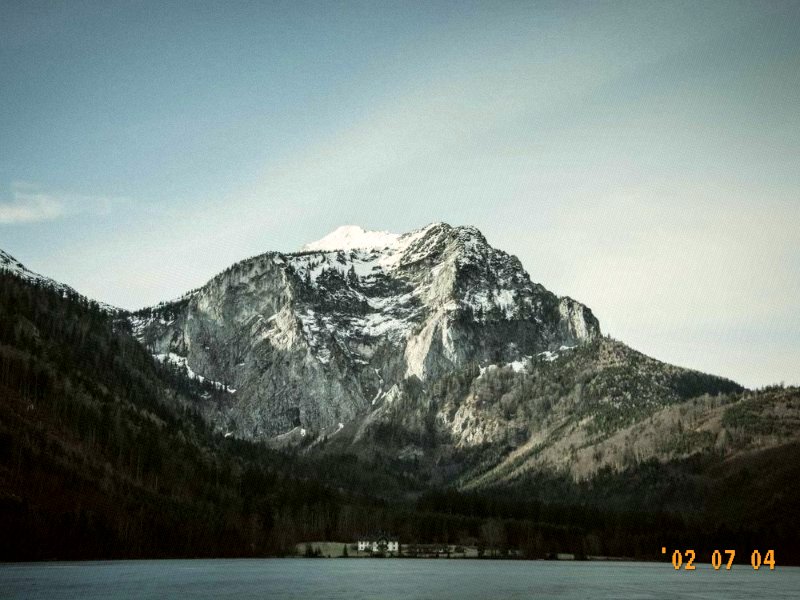
- •The date stamp: an orange dot-matrix date in the corner, the single biggest tell that a photo is "old".
Step by step
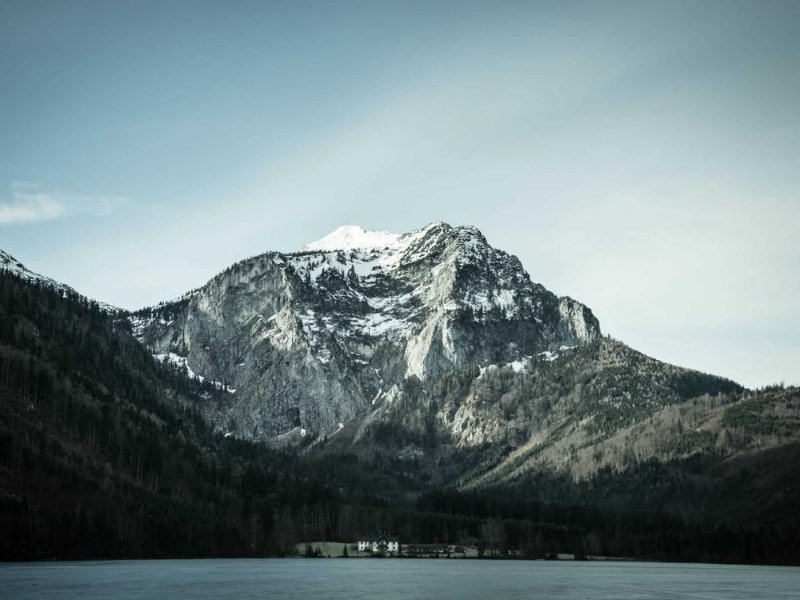
- 1Open the editor and upload a clean photo. You are adding character, so a sharp modern shot is the best raw material.
- 2Warm the color up and pull a little dynamic range out: raise contrast slightly and let the brightest areas push toward white.
- 3Add grain until the smooth phone texture breaks up. Low to mid values usually look right.
- 4For indoor or night photos, raise highlights and bloom a touch to fake the close flash.
- 5Turn on the date stamp and set the year you want the photo to feel from.
- 6Export at full size so the grain stays sharp.
A reliable starting recipe
Prefer numbers? Start here and adjust to the photo.
Match the era you actually want
| Era | Character | Start here |
|---|---|---|
| Late 1990s to mid 2000s | Warm, faded, soft | 2000s Camera Filter |
| CCD compacts, mid to late 2000s | Cool, glowing, punchy | CCD Filter |
| Disposable film, any era | Hard flash, high contrast | Disposable Camera Filter |
| Old-camera keepsake | Warm with a date stamp | Vintage Camera Filter |
If you only do one thing, add the date stamp and backdate it. Nothing else signals "old photo" as instantly. Set it to the year that fits the memory and the image stops looking like a filter.
Common mistakes
- •Over-saturating. Old cameras were punchy, not neon. If skin turns orange, pull warmth and saturation back.
- •Too much blur. Soften the edges a little, but do not smear the photo. Grain reads as old, mush reads as broken.
- •Forgetting the date stamp. It is the highest-impact, lowest-effort detail.
- •Exporting too small. Downscaling hard can crush the grain and flatten the effect.
Upload a photo and build the old-camera look step by step. Free, in your browser, no uploads.
Frequently Asked Questions
Add the imperfections old cameras had: warm or slightly-off color, lower dynamic range, a fine grain, a hard flash for night shots, and a date stamp. Add them in that order on a clean photo and keep each one subtle.
Pick the year you want the photo to feel from. For the early digital camera look, somewhere between 1999 and 2007 fits the aesthetic most people are after.
They do not look better technically. They look more characterful. Phones smooth and correct everything, while old cameras left in bloom, grain, and color quirks that the eye reads as real and nostalgic.
Yes. The editor is free with no sign-up and no watermark, and every edit happens in your browser, so your photos are never uploaded.